
Our Newest Articles...

















































 Solar Eclipse and You: Embracing the...
 The Eclipse
 The Lesson of the Eclipse
 New Year Intention Setting—An Alternative to...
 Mantras: How to Use this Ancient...
 Which Style of Yoga is Right...
 From Panic to Postures: Why Yoga...
 Viewing Life through the Lens of...
 The Illuminating Realm of Spiritual Dreams
 Seven Reasons to Start Practicing Yoga...
 The Mouse in the Church
 Dreaming of Eros: God of PASSION
 Seven Steps to Total Dream Recall
 7 Ways to Embrace Self Esteem
 Liberating Your Ultimate Potential
 Opening to Love Every Day
 Ten Traits of an Empath
 Divine Discontent and The Dark Night...
 Living Soulfully with Three Chakra Goddesses
 Snake Awakening
 Five Tips to Get You Unstuck…
 The Secure Attachment We Always Needed
 New Year for Soulful Living
 The Essence of Meditation
 Time To Relax
 The Hand of God Within
 Musings on 24 Years of a...
 Extraordinary Times
 The Start of Something New
 Containing Everything Necessary
 Spiritual Clutter Clearing
 Earth: Reconnecting with Her Sacred Power
 Is Your Relationship Healthy?
 Beauty and Style in the Home
 New Year/New Decade: Rituals to Get...
 The Four Healing Habits
 One World, One Religion
 12 Steps: The Musical!
 What is Space Clearing?
 When the Past is Over And...
 Love, Loss and Hope
 The Importance of Ancestors…
 Sisterhood Throughout the Ages
 Everything is Aw-ful
 How to Take a Day Off...
 Nighttime Dreams and Soul-Centered Living
 Be the Present
 Living in the White Space
 The Courage to Change
 Your Unique Brilliance
 Living Your Truth
 Easter Basket
 Be Cheery
 More Articles Coming Soon!
 Living Your Dreams
 Your Authentic Self
 Abundance and Prosperity
 Mindfulness
 Creating Life Change
 Getting Clear
 Moving Forward
 Creativity
 Letting Go
Welcome!
Live a fuller life, joyfully, with love.
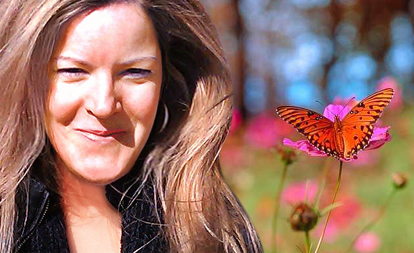 Welcome to Soulful Living!
I’m so pleased that your soulful journey has brought you here! My name is Valerie Rickel, and I’m the founder, creator and soul of SoulfulLiving.com, an inspirational website devoted to personal growth, spiritual development, self help, and self improvement.
In September 1999, I was grieving the loss of my father and had been searching the internet for comfort and healing, but there were very few resources available online at the time. I felt a deep knowing in my heart that I was being “called” to create a website that would offer healing and inspiration to people around the globe.
So, I set about pouring my love and grief into this purposeful life project, and at the stroke of midnight on January 1, 2000, I launched SoulfulLiving.com in memory of my father and in honor of our new millennium. Creating SoulfulLiving.com is my soulful life purpose, and it has been one of the most meaningful, joyous, and wondrous experiences of my lifetime. I know, without a doubt, that sharing my passion and love for living a soulful life is why I was put here on this earth.
I hope you’ll make yourself at home while you explore our website’s many pages and resources. Sit back, pour a cup of tea, and be inspired… There’s so much to see and experience! You’ll find a collection of thousands of archived articles from our best-selling authors and experts who have contributed their wisdom to SoulfulLiving.com over the past 24 years.
 In January 2020, we celebrated our 20-Year Anniversary online and gathered together our alumni authors from over the past two decades for an exciting reunion to commemorate the momentous occasion with an extra special 20th Anniversary Issue of Soulful Living!
I hope you’ll also explore my Soulful Coaching Program, “Dream It. Begin It.” This program offers a unique opportunity to work with me, 1:1, for a deep-dive into your heart and soul to discover your deepest soul callings, life’s purpose and Highest Good, and, then, put passion, purpose, and action together to manifest your soulful purpose into the world!
I’m so happy you’re here. Enjoy!
With love and gratitude.
Soulfully,

Valerie Rickel
Founder and Soul
SoufulLiving.com
Meet Valerie here and be sure to say hello!

Share Our ❤️ with Your Friends…











Articles to inspire the Soul
Creating Life Change
Creating Life Changes by Carol Adrienne, Ph.D. Despite the fact that we cannot help but change, we seem to have a constant yearning for things to be different in our life. My guess is that this focus on changing something in our life is a corollary of other ideas invisibly current in Western culture. For […]

Living Your Dreams
The Circle: How The Power Of A Single Wish Can Change Your Life by Laura Day I’d like to invite you to make one single wish, the one change you want more than anything else in the world. You can make others after this one comes true. Your wish can be anything, “realistic” or not, […]
Mindfulness
You Are Not Your Mind by Eckhart Tolle The word enlightenment conjures up the idea of some super-human accomplishment, and the ego likes to keep it that way, but it is simply your natural state of felt oneness with Being. It is a state of connectedness with something immeasurable and indestructible, something that, almost paradoxically, […]

Letting Go
Let Go or Get Dragged by Lama Surya Das A friend of mine named Eva, who manages a Buddhist retreat center in the mountains of Switzerland, has a yellow sticky hanging above her mouse pad as a reminder. It says: “Let go or get dragged.” That about sums it up for me. I have been […]
Your Authentic Self
Authenticity by Carol Adrienne, Ph.D. As children we have no trouble being authentic. Remember when you woke up in the summer happy with anticipation for the day? Remember the joy you took in having your friends sleep over? Remember your parents’ mixed reaction when you blurted out some delightful, albeit disconcerting, blunt truth? Growing up, […]

Moving Forward
Moving On…To What You Want by Suzanne Zoglio, Ph.D. Whether life hands you a bucket of stuff that you’re anxious to get rid of, or you find yourself sitting on life’s sidelines but longing for something more, the dilemma is the same. How do we get the push we need to move on? It’s that […]
Creativity
Losing Yourself in the Divine: Creativity as a Spiritual Practice by Lucia Capacchione, Ph.D., A.T.R. When you create you lose yourself in your creation. Time seems to stand still and all else is forgotten. You participate in the divine play that is creativity. These moments offer a glimpse of who you really are: a being […]
Abundance and Prosperity
The Tao of Abundance by Laurence G. Boldt Abundance has been defined in a variety of ways, by different people at different times and in different cultures. Today, we typically measure abundance in terms of the money and objects we possess. We think that those who possess the most are the most free and powerful […]

Getting Clear
Smudging by Jane Alexander Smudging is wonderful. Truly. Try it and you’ll become a convert, I’m almost willing to bet. I love it because it’s the simplest yet most incredibly effective form of space clearing available. It takes just five minutes to learn the basics and you’re off. Obviously the more you do it, the […]
Soul Retreat Gift Pack


See What Our Soulful Living Community Is Saying. . .
More Soulful Things to Explore

Soulful Match Singles
SoulfulLiving.com has joined up with the Conscious Dating Network, the world’s largest online dating service exclusively for spiritually conscious singles, with thousands of members from all over the world who value a healthy, conscious, and holistic lifestyle. Join free today and find that special someone with similar passions and values!
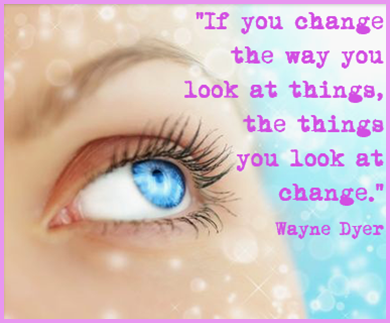
Inspiration Gallery
Be inspired by the soulful quotations and beautiful imagery of the memes in our Inspiration Gallery. Let our inspirational images soothe and comfort your heart and soul! We’ve made it easy for you to spread the love and share with your friends, too! Enjoy!Dream It. Begin It.
Join Valerie Rickel, the founder and soul of SoulfulLiving.com, for her Soulful Business Startup Mentoring Program, “Dream It. Begin It.” This program offers a unique opportunity to work with Valerie, one-on-one, for a deep-dive into your heart and soul and put passion, purpose, and action together to manifest your soulful purpose into the world! Learn more!
SoulfulLiving.com in the Press...